The schedule presented here is subject to change as the agenda is finalized.
14 sessions found.
Potomac B
Potomac B is located on the lobby level of the Residence Inn. To reach this room, take the elevators to the right of Studio E. Turn left coming out of the elevator and the Potomac rooms are on your left.
This presentation shares early findings from ANA\California’s LGBTQIA+ Equity in Nursing initiative, led by Advocacy Institute Fellows Dr. Bri DuBose (2024) and Misty Mandeville (2025). The taskforce—formed in January 2024 and composed of nursing leaders, clinicians, and subject-matter experts—designed a structured assessment to benchmark organizational culture, knowledge, reporting comfort, DEIB infrastructure, and hiring practices related to LGBTQIA+ equity.
Transgender Empathy Training is an interactive, community-centered educational program designed to cultivate cultural humility, deepen understanding, and expand institutional capacity to support transgender, nonbinary, and gender-expansive people. Grounded in trauma-informed care, intersectional analysis, and lived experience, this training moves beyond basic terminology and policy compliance to build genuine human connection and sustained allyship.
LGBTQ+ students in U.S. colleges experience disproportionately high rates of mental health disorders and HIV vulnerability—risks exacerbated in rural and Appalachian regions by structural stigma, provider shortages, and limited-service access. Despite this convergence, few interventions integrate mental health and HIV prevention in campus settings.
Hillcrest Children and Family Center, a community-based behavioral health organization in Washington, DC, implemented the Certified Community Behavioral Health Clinic (CCBHC) model to expand access and reduce disparities among underserved populations. Serving largely Black and LGBTQ+ communities, Hillcrest’s CCBHC initiative provides an integrated platform for behavioral health, primary care, and prevention services. This framework has strengthened culturally responsive care and enabled the agency to leverage programs, including Ryan White–funded HIV prevention and treatment, to advance health equity and justice.
In today’s climate of burnout, fear, and fragmentation, leadership requires more than strategy—it calls for presence, relational courage, and embodiment. Leading from the Body introduces a trauma-informed leadership model rooted in somatic awareness and relational intelligence. This approach recognizes that trauma is not only cognitive—it is emotional, non-verbal, and stored in the nervous system. As such, healing and leadership must begin in the body. This interactive session explores how lived experience and embodied presence shape culture, relationships, and organizational change.
Older adults living with HIV—especially Black gay men aged 50 and over—face compounding challenges including stigma, fragmented care, and under-resourced behavioral health services. This session highlights strategies from the Aging and HIV Institute (A&H), a California-based think tank dedicated to bridging HIV and aging service systems.
In 2022 Victory Programs opened its doors to The Victory Connector, a new drop in space in the Mass and Cass neighborhood. A neighborhood that was already home to methadone clinics, Boston Medical Center (the city hospital), Harm Reduction Providers and two homeless shelters. What could Victory Programs do that was different and meeting an unmet need?
What happens when wisdom meets innovation, and lived experience meets digital fluency? This dynamic, intergenerational and interracial session explores how people across decades and racial identities navigate dating, disclosure, and desire in the age of PrEP, U=U, and mobile technology.
As people living with HIV (PLWH) age, cognitive decline presents a growing yet underaddressed challenge. This presentation highlights an innovative collaboration between The Grand Rapids Red Project (TGRRP) and the Alzheimer’s Association Michigan Chapter (AAMC) to implement routine cognitive screenings within TGRRP’s HIV care programs. The initiative targets PLWH aged 44+ and those exhibiting overt cognitive impairment, aiming to bridge gaps in care complexity for aging populations.
In this presentation, AAMC will review national trends in HIV-associated neurocognitive disorders (HAND) and statewide efforts to develop programming for aging PLWH through partnerships with community-based organizations (CBOs). With AAMC’s support, TGRRP designed an HIV and aging pilot program featuring tailored screening tools, staff training, and referral pathways—offering replicable strategies for similar programs.
Understanding how BMSM, who represent less than 1% of the U.S. population, but account for over one-third of new HIV infections annually, practice seroadaptation can inform new interventions to improve their engagement in HIV services. To this end, we conducted a qualitative study (called the “PhotoUStudy”), which was guided by a conceptual model, the BMSM Intersectional Identity Framework Over the Life Course (BMSM Identity Framework). Thirty-six BMSM who lived in/accessed health services in Washington, D.C., aged 18-65, were recruited into a five-day photovoice activity and follow-up interview.
Bodies in Sync positions upstream prevention as a vehicle for healing and liberation. By synchronizing science, community, and culture, the session demonstrates that prevention is not solely about risk reduction—it is about creating conditions for youth to thrive, belong, and lead the next generation of public health innovation.
Cool Kids Carry Narcan is a rural overdose prevention initiative led by Berkshire Harm Reduction, a program of Berkshire Health Systems in western Massachusetts. Designed to address geographic and racial inequities in naloxone access, the project currently installs and maintains 124 public NaloxBoxes while pairing distribution with community training and stigma-reduction campaigns.
In April 2024, San Diego County launched its Harm Reduction Services Program (HRSP), the region’s first government-run syringe service initiative. Designed to address the intersecting crises of overdose, HIV, and hepatitis C among people who use drugs, HRSP operates through a mobile delivery model, providing low-barrier, stigma-free services in underserved communities identified through a comprehensive Community Readiness Assessment.
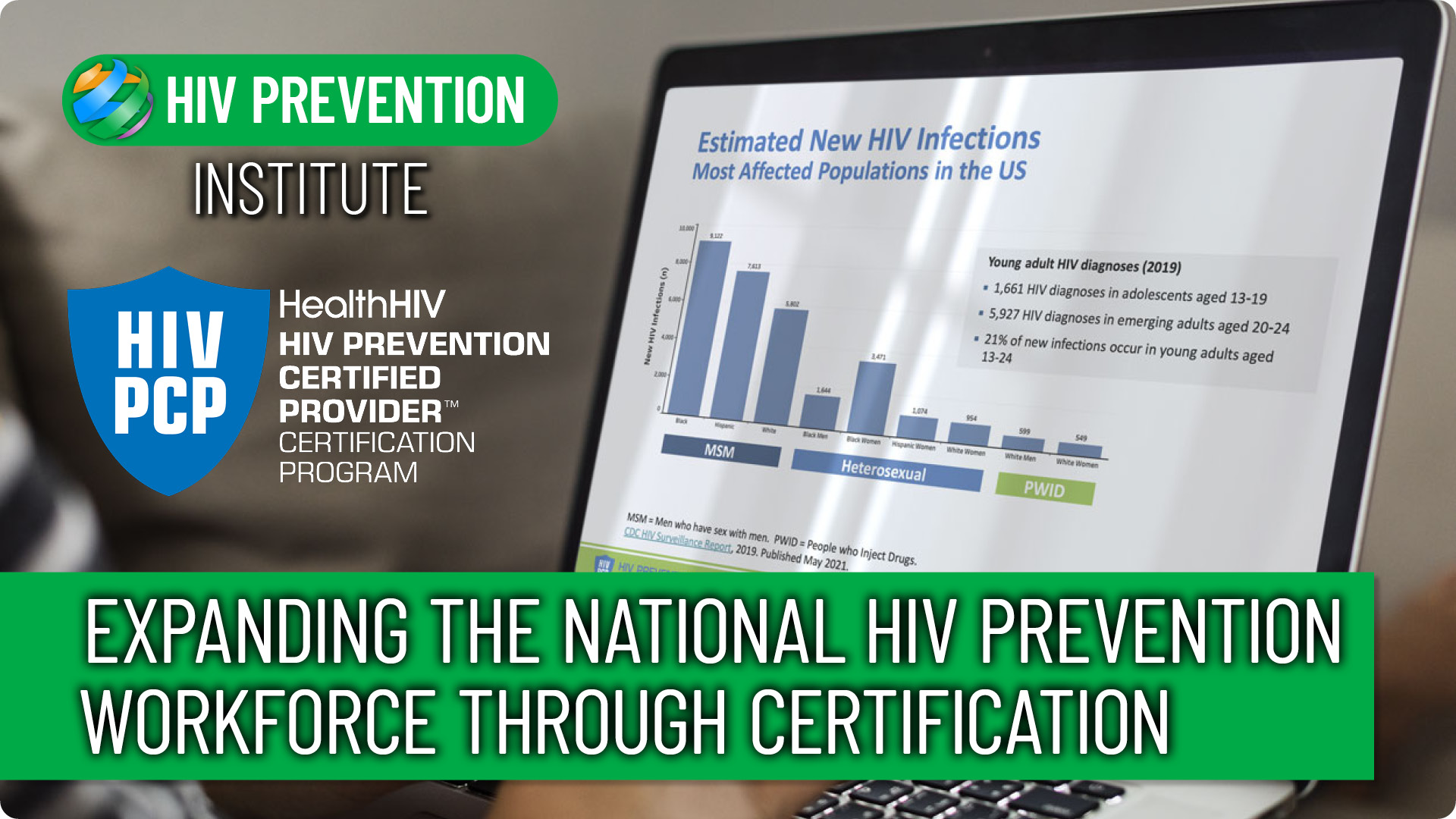
Expanding the HIV prevention workforce is more important than ever: biomedical prevention is advancing rapidly and the HIV workforce is shrinking.
This institute offers a comprehensive foundation for providers to: 1) identify individuals who may benefit from HIV prevention services; 2) implement high-impact PrEP interventions; and, 3) apply a framework of cultural humility to improve engagement and retention in care.
Information on credits offered to SYNC participants for attending institutes, sessions, and plenaries — live or in-person — is available here.
Commercial Support Acknowledgement
This conference is supported, in part, by independent educational grants from ineligible companies. A full list of supporters is available here. All accredited content has been developed and delivered in accordance with the ACCME Standards for Integrity and Independence and the criteria of Joint Accreditation for Interprofessional Continuing Education™, and is free of commercial bias.
POZ
ChemBio
Important Notice: We have received reports of companies falsely claiming to sell SYNChronicity Conference attendee lists and related services. These solicitations are scams and are not affiliated with SYNChronicity, HealthHIV, HealthHCV, or the National Coalition for LGBTQ Health. Do not engage with these organizations. For questions about conference communications or vendors, contact us directly.