WEDNESDAY, MARCH 18

11:00am – 3:30pm: INSTITUTES
1:00 – 4:00pm: HIV PCP INSTITUTE
1:00 – 5:00pm: HIV PNC INSTITUTE
4:00 – 5:30pm: TRACK SESSIONS

THURSDAY, MARCH 19

9:00 – 10:30am: PLENARY SESSION
10:45am – 12:15pm: TRACK SESSIONS
12:20 – 2:00pm: LUNCH PLENARY
2:15 – 3:45pm: TRACK SESSIONS
4:00 – 5:30pm: TRACK SESSIONS

FRIDAY, MARCH 20

9:00 – 10:30am: PLENARY SESSION
10:45am – 12:15pm: TRACK SESSIONS
12:20 – 1:30pm: LUNCH PLENARY

This schedule is preliminary and subject to change.

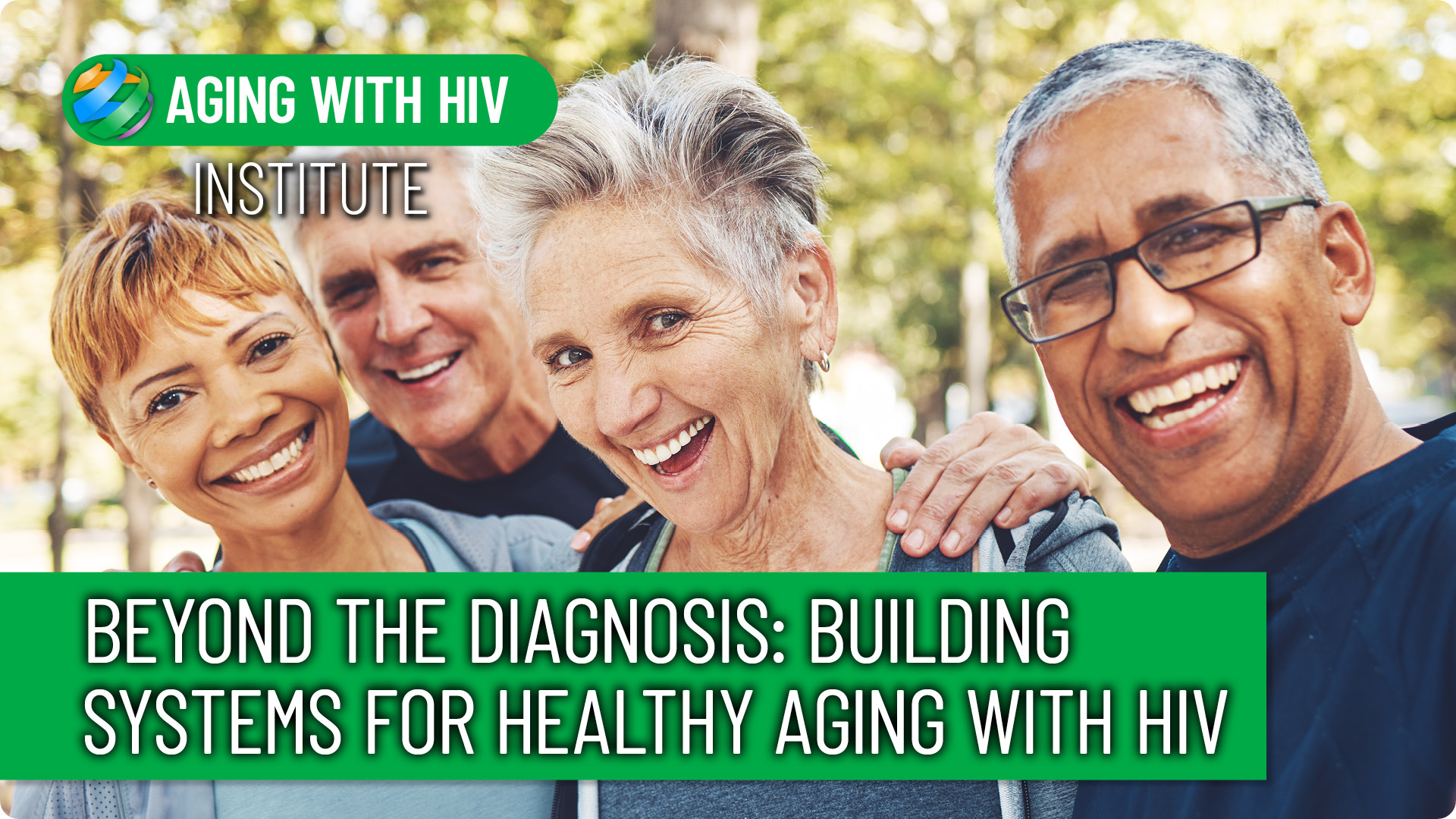
  • Beyond the Diagnosis: Building Systems for Healthy Aging with HIV

    Studio E

    Drawing from HealthHIV’s Fourth Annual State of Aging with HIV™ National Survey findings from consumers and the HIV workforce, the Institute explores how clinical realities and patient experience are shaped by current care system capacity, workforce readiness, and access conditions. It also considers how system conditions influence who delivers care and where gaps persist, reshaping the HIV workforce at a critical juncture.

  • HIV and Cognitive Decline: The Power of Partnership

    Potomac B
    HIV Care and Treatment Track

    As people living with HIV (PLWH) age, cognitive decline presents a growing yet underaddressed challenge. This presentation highlights an innovative collaboration between The Grand Rapids Red Project (TGRRP) and the Alzheimer’s Association Michigan Chapter (AAMC) to implement routine cognitive screenings within TGRRP’s HIV care programs. The initiative targets PLWH aged 44+ and those exhibiting overt cognitive impairment, aiming to bridge gaps in care complexity for aging populations.

    In this presentation, AAMC will review national trends in HIV-associated neurocognitive disorders (HAND) and statewide efforts to develop programming for aging PLWH through partnerships with community-based organizations (CBOs). With AAMC’s support, TGRRP designed an HIV and aging pilot program featuring tailored screening tools, staff training, and referral pathways—offering replicable strategies for similar programs.

  • Understanding the Sociocultural Context of HIV Outcomes for Transgender Women of Color Age 50+: A Secondary Analysis of the Transgender Women of Color Initiative Evaluation and Technical Assistance Center (TETAC) Dataset

    Studio C
    HIV Care and Treatment Track

    Recent data from the U.S estimated that over half (57%) of transgender women (TW), aged 50+, are living with HIV. Findings lacked analysis by age, gender, and race/ethnicity, but found 62% HIV prevalence among Black trans women, suggesting potential HIV disparities for older TW of color. This study focused on HIV outcomes and health services access for TW aged 50 and older, making important contributions to the context of care for this population sub-group, who shoulder disproportionately high HIV prevalence. Findings highlight the critical role of support services in HIV care engagement and the potential for expanded access and intergenerational peer support programs to ameliorate HIV-related disparities based on age and race.

  • Bridging Systems: Integrating HIV and Aging Services to Address Behavioral Health and Social Isolation

    Potomac B
    HIV Care and Treatment Track

    Older adults living with HIV—especially Black gay men aged 50 and over—face compounding challenges including stigma, fragmented care, and under-resourced behavioral health services. This session highlights strategies from the Aging and HIV Institute (A&H), a California-based think tank dedicated to bridging HIV and aging service systems.

  • The Future is Gray and Gay: Building Inclusive HIV Systems for LGBTQ+ Older Adults

    Studio B
    HIV Care and Treatment Track

    Holy Cross Health in Broward County, Florida, has developed a comprehensive, community-embedded care model that integrates HIV treatment with aging services, behavioral health, and chronic disease management. This peer- and community health worker–led, equity-focused approach is designed to address disparities among LGBTQ+ individuals, people of color, and those experiencing economic hardship. The model emphasizes cultural humility, trauma-informed care, and whole-person wellness. This session will explore how this integrated framework improves outcomes and offers a scalable solution for reimagining HIV care for aging LGBTQ+ populations.

  • HIV and Cognitive Decline: Understanding HIV-Associated Neurocognitive Disorder

    Studio F
    HIV Care and Treatment Track

    With advancements in HIV treatment, individuals living with HIV are now living longer, By 2030, 70% of people living with HIV (PLWH) will be ages 50 and older. But, as PLWH age they face unique challenges, particularly with cognitive health. One major concern is HIV-Associated Neurocognitive Disorder (HAND), a form of cognitive decline more common among PLWH. This presentation will provide a brief overview of HIV care; the signs and risk factors for HAND; similarities and differences between HAND and Alzheimer's disease; and why accurately diagnosing cognitive change in PLWH is so important.

  • Hartford Employment Initiative: Addressing Critical Employment Gaps for Persons Living with HIV (PLWH)

    Studio C
    HIV Care and Treatment Track

    The employment landscape for PLWH in the Hartford Transitional Grant Area (TGA) presents significant challenges. According to the 2022 Statewide Needs Assessment Survey, 54.46% of PLWH were unemployed, with 59.46% unemployment within the TGA. Among respondents, 78% of individuals over 50 lacked access to career and life skills training, limiting their ability to secure stable, fulfilling employment.

  • The San Francisco Principles 2020: Centering Long-Term HIV Survivors in Research, Care, and Advocacy

    Studio F
    HIV Care and Treatment Track

    The San Francisco Principles 2020 builds on the 1983 Denver Principles to highlight the critical needs of long-term HIV/AIDS survivors (LTS) as they age with HIV. This important statement brings attention to the linked problems of aging, unfair health access, and how systems often ignore marginalized people within the LTS community.

  • Aging While Black and LGBTQ+/SGL: Legacy, Equity, and the HIV Long-Term Survivor Experience

    Studio B
    HIV Care and Treatment Track

    This interactive session explores the intersection of aging, race, gender identity, and sexuality through the lens of Black LGBTQ+/SGL individuals living with HIV. Drawing from lived experiences and frameworks like Aging While Black by Raymond Jetson, the session redefines aging not as decline, but as a site for power, healing, and systemic transformation.

Accreditation, Credit, and Support

Information on credits offered to SYNC participants for attending institutes, sessions, and plenaries — live or in-person — is available here.

Commercial Support Acknowledgement

This conference is supported, in part, by independent educational grants from ineligible companies. A full list of supporters is available here. All accredited content has been developed and delivered in accordance with the ACCME Standards for Integrity and Independence and the criteria of Joint Accreditation for Interprofessional Continuing Education™, and is free of commercial bias.