As demand for rapid-start PrEP continues to grow, healthcare teams need practical, scalable models that support timely access while fitting real clinical workflows. This live, in-person institute will focus on the real-world implementation of rapid-start PrEP across clinical and pharmacy settings, with an emphasis on team-based care and operational readiness. Through an interprofessional lens, faculty will explore how clinicians, pharmacists, and care teams can work together to integrate rapid-start PrEP using streamlined workflows, standing orders, lab reflex panels, and clinician-facing tools that support consistent, efficient delivery of care.
While disparities in PrEP uptake and need persist and PrEP demand remains high, experienced PrEP navigation staff are key to realizing the benefits of PrEP.
This institute equips participants with the practical knowledge, communication strategies, and clinical context needed to guide individuals through their PrEP journey.
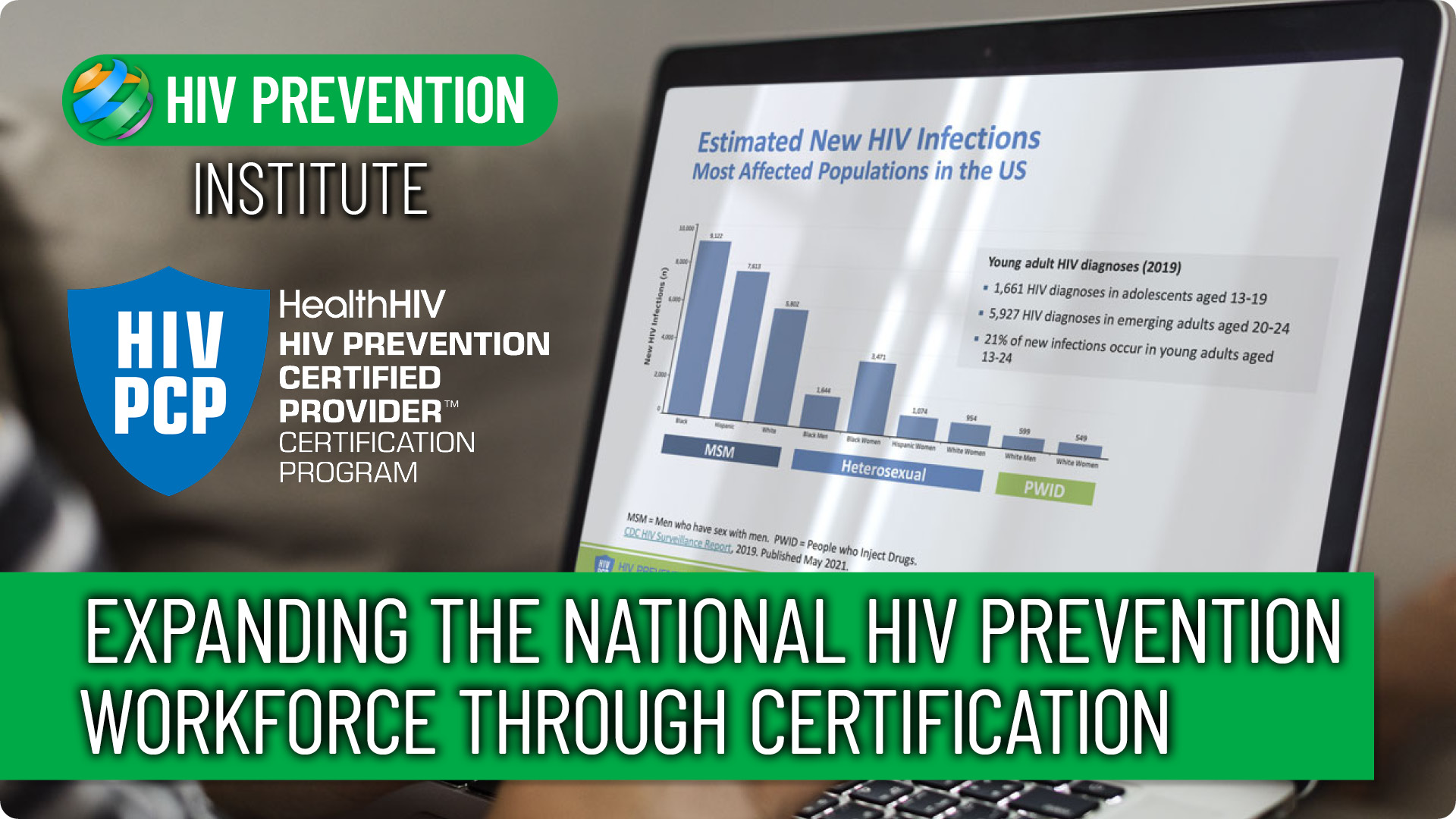
Expanding the HIV prevention workforce is more important than ever: biomedical prevention is advancing rapidly and the HIV workforce is shrinking.
This institute offers a comprehensive foundation for providers to: 1) identify individuals who may benefit from HIV prevention services; 2) implement high-impact PrEP interventions; and, 3) apply a framework of cultural humility to improve engagement and retention in care.
This comparative analysis explores HIV prevention, PrEP (pre-exposure prophylaxis), and health equity across two critical border regions: San Diego–Tijuana and Brownsville–Matamoros. These binational corridors reflect unique public health dynamics shaped by migration, resource allocation, stigma, and cross-border collaboration. While San Diego and Brownsville benefit from robust U.S. public health infrastructure, their Mexican counterparts often face limitations in consistent access to HIV testing, PrEP availability, and stigma-free services.
This interactive presentation explores the intersection of sexual pleasure, HIV prevention, and liberation for communities of color. The Science of Sexuality and Pleasure, it reframes PrEP and PEP not just as biomedical tools, but as instruments of sexual agency, protection, and empowerment. Drawing on the imagery of chains, whips, handcuffs, and doxycycline, we assert that protection and pleasure are not mutually exclusive, but deeply intertwined. Through storytelling, case-based dialogue, and visual metaphors, we invite attendees to challenge conventional narratives that separate safety from desire.
This session showcases how nurses are transforming HIV prevention in one of the nation’s highest-incidence regions. This innovative, nurse-led model expands access to pre-exposure prophylaxis (PrEP) through standing orders, telehealth, and mobile outreach, allowing same-day initiation of care.
Imagine a world where every individual, regardless of their past, has access to essential healthcare services and the support they need to thrive. For returning citizens living with HIV, this is not just a dream—it’s a necessity. The Intervention Services Program (ISP), part of the DC Health’s HIV AIDS Hepatitis STD Tuberculosis Administration (HAHSTA), is on a mission to transform this vision into reality.
This session will showcase how AIDS United’s Melanated Movement Fund grantees are responding to the needs of aging Black women across the diaspora by implementing innovative stigma-reductive and community-engagement approaches in two distinct communities.
Black Health’s Outreach Enhancement: Faith Based Organization Program (OEF) collaborates with faith-based organizations across the five boroughs of New York City to provide high impact HIV prevention services in geographical hot spots in communities of color where HIV infections are most heavily concentrated (as defined by the New York City Department of Health and Mental Hygiene (NYCDOHMH).
StayWell Health Center serves as a leading responder to the overlapping syndemics of HIV, hepatitis C, STIs, and social determinants of health in the Waterbury, Connecticut metro area. Through a status-neutral approach, StayWell ensures that all individuals—regardless of HIV status—are connected to comprehensive prevention or treatment services without stigma or delay.
Black women at are increased risk HIV of infection compared to women in general. In 2022 in Alabama, over half of HIV people living with HIV were Black, almost a quarter were women, and 1 in 5 were unaware of their status. This data supports a need for HIV prevention interventions among youth and adults in the state.
This 20-minute workshop explores how cultural competency and community-based participatory practice (CBPP) models are being implemented to center community voices and ensure public health interventions are both relevant and affirming. Strategies include peer-led engagement, wellness-themed mini-balls, and house-based dialogues that allow for honest conversations around HIV, stigma, and care. Participants will be introduced to the CBPP model and the Cultural Competence Continuum as guiding frameworks for equity-driven outreach.
This session will introduce a pleasure-based approach to sexual heath and provide guidance on asking affirming, inclusive questions for patients who are queer, trans, poly, or engaged in kink. We will discuss current treatment options to managed decreased libido, painful frontal/vaginal sex, and erectile dysfunction. We will review opportunities for a collaborative treatment approach with mental health and primary care providers in combining mental health medications with HIV prevention and treatment medications, including injectables.
Provide creative ways to go beyond the clinic walls to reach the underserved population. To teach individuals "Out of the box thinking" to get them introduced to PreP and HIV treatment.
This session explores how sex-positive, pleasure-centered approaches enhance HIV and STI prevention – especially for people living with HIV and communities greatly impacted by HIV. We discuss the benefits of this approach and highlight an innovative initiative based in community voices and engagement: San Francisco Department of Public Health (SFDPH)’s Have Good Sex campaign, which promotes sexual empowerment, inclusivity, and self-directed care through home-based testing. Centering the needs of communities disproportionately impacted by HIV, this program affirms sexual health and well-being through messaging that centers pleasure and autonomy.
This session will share retrospective results from SHIF’s 8 Year history, as well as SHIF’s community engagement strategies, developed to intentionally address the common mismatch between public health programs and community needs that often hamper impact. This session will both describe SHIF’s robust community engagement strategies, as well as recommendations to adapt such strategies for similar programming.
This presentation will provide an in-depth overview of our agency’s innovative street outreach strategies for HIV prevention and treatment across Texas. We focus on connecting with populations often labeled as “hard to reach” through a combination of trauma-informed care and peer navigation, designed to foster trust and engagement. Our approach prioritizes immediacy—once we identify individuals in need, we work to link them to HIV care or initiate PrEP within 24 hours, and often on the same day. We are leading the effort for prompt diagnosis and linkage to care in Texas when individuals in many areas have to wait days, even weeks, for a doctor's appointment.
The Church Needs HR: Healing and Health Resources for Queer Faith Spaces is an educational and advocacy initiative reframing the role of religion in LGBTQIA health. While public health spaces have made progress in HIV prevention and harm reduction, they often neglect the spiritual realities of queer individuals—especially those from Black and Brown communities—who continue to experience both harm and hope within faith-based contexts.
To address the intersecting epidemics of HIV, Hepatitis C (HCV), and syphilis in Miami-Dade County, Baptist Health South Florida (BHSF) expanded its innovative Electronic Health Record (EHR) syndemic screening model across multiple emergency departments in 2024. Building on the success of Homestead Hospital (HH) and West Kendall Baptist Hospital’s (WKBH) routine HIV/HCV screening program, Baptist Main Hospital (BMH) and South Miami Hospital (SMH) implemented scalable workflows and smart syphilis screening algorithms into their EHR. This expansion was supported by strategic public-private partnerships with hospital leadership and the Florida Department of Health in Miami-Dade County (DOH-Miami-Dade) which provided a dedicated Disease Intervention Specialists (DIS) to ensure timely linkage to care and prevention services.
This presentation provides an update on federal reproductive healthcare and access litigation and policy, and highlights strategies for systems change, including policy reforms, advocacy, research, collaboration, and capacity-building to address the implications of unequal access to sex education.
Understanding how BMSM, who represent less than 1% of the U.S. population, but account for over one-third of new HIV infections annually, practice seroadaptation can inform new interventions to improve their engagement in HIV services. To this end, we conducted a qualitative study (called the “PhotoUStudy”), which was guided by a conceptual model, the BMSM Intersectional Identity Framework Over the Life Course (BMSM Identity Framework). Thirty-six BMSM who lived in/accessed health services in Washington, D.C., aged 18-65, were recruited into a five-day photovoice activity and follow-up interview.
Participants will learn “how-to” techniques for initiating and guiding conversations about sexual history through a lens of prevention, risk reduction, and patient-centered care. The presentation will emphasize creating a safe, respectful, and non-judgmental environment that encourages patients to ask questions and engage openly. Special attention will be given to the unique challenges faced in rural communities, where stigma, limited resources, and lack of formal education can further inhibit discussions about sexual health.
This conference is supported, in part, by independent educational grants from ineligible companies. A full list of supporters is available here. All accredited content has been developed and delivered in accordance with the ACCME Standards for Integrity and Independence and the criteria of Joint Accreditation for Interprofessional Continuing Education™, and is free of commercial bias.