Drawing from HealthHIV’s Fourth Annual State of Aging with HIV™ National Survey findings from consumers and the HIV workforce, the Institute explores how clinical realities and patient experience are shaped by current care system capacity, workforce readiness, and access conditions. It also considers how system conditions influence who delivers care and where gaps persist, reshaping the HIV workforce at a critical juncture.
EmpowHERed Resilience is a transformative storytelling experience and institute for Black women to gather, reflect, and heal. Through a four-part video series, participants engage with lived stories across HIV prevention, care, and long-term wellness, uplifting sexual health and honoring the full spectrum of Black women’s experiences. This session fosters connection, affirms lived wisdom, and builds supportive networks, empowering Black women to move forward with strength, purpose, and possibility.
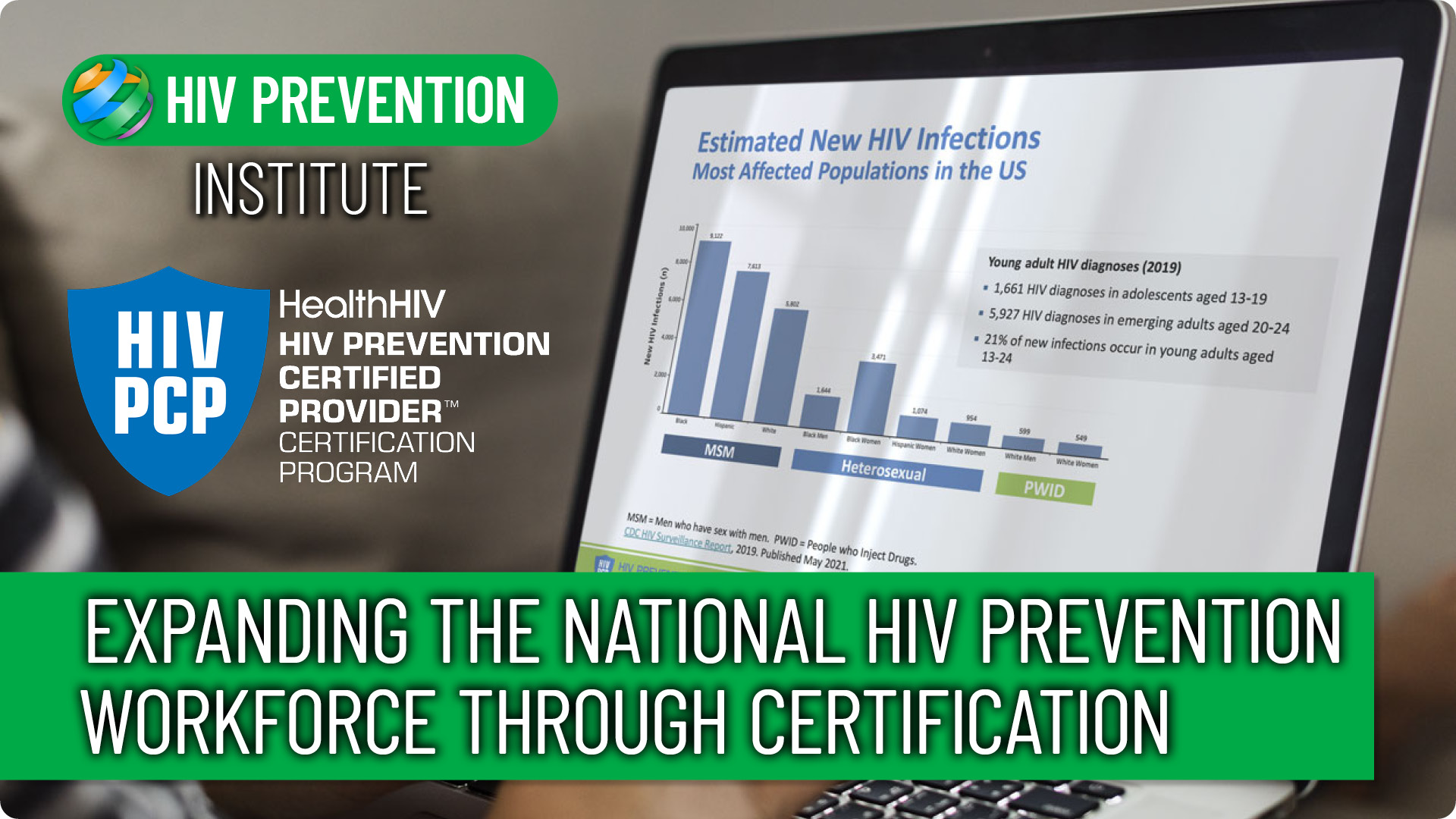
Expanding the HIV prevention workforce is more important than ever: biomedical prevention is advancing rapidly and the HIV workforce is shrinking.
This institute offers a comprehensive foundation for providers to: 1) identify individuals who may benefit from HIV prevention services; 2) implement high-impact PrEP interventions; and, 3) apply a framework of cultural humility to improve engagement and retention in care.
While disparities in PrEP uptake and need persist and PrEP demand remains high, experienced PrEP navigation staff are key to realizing the benefits of PrEP.
This institute equips participants with the practical knowledge, communication strategies, and clinical context needed to guide individuals through their PrEP journey.
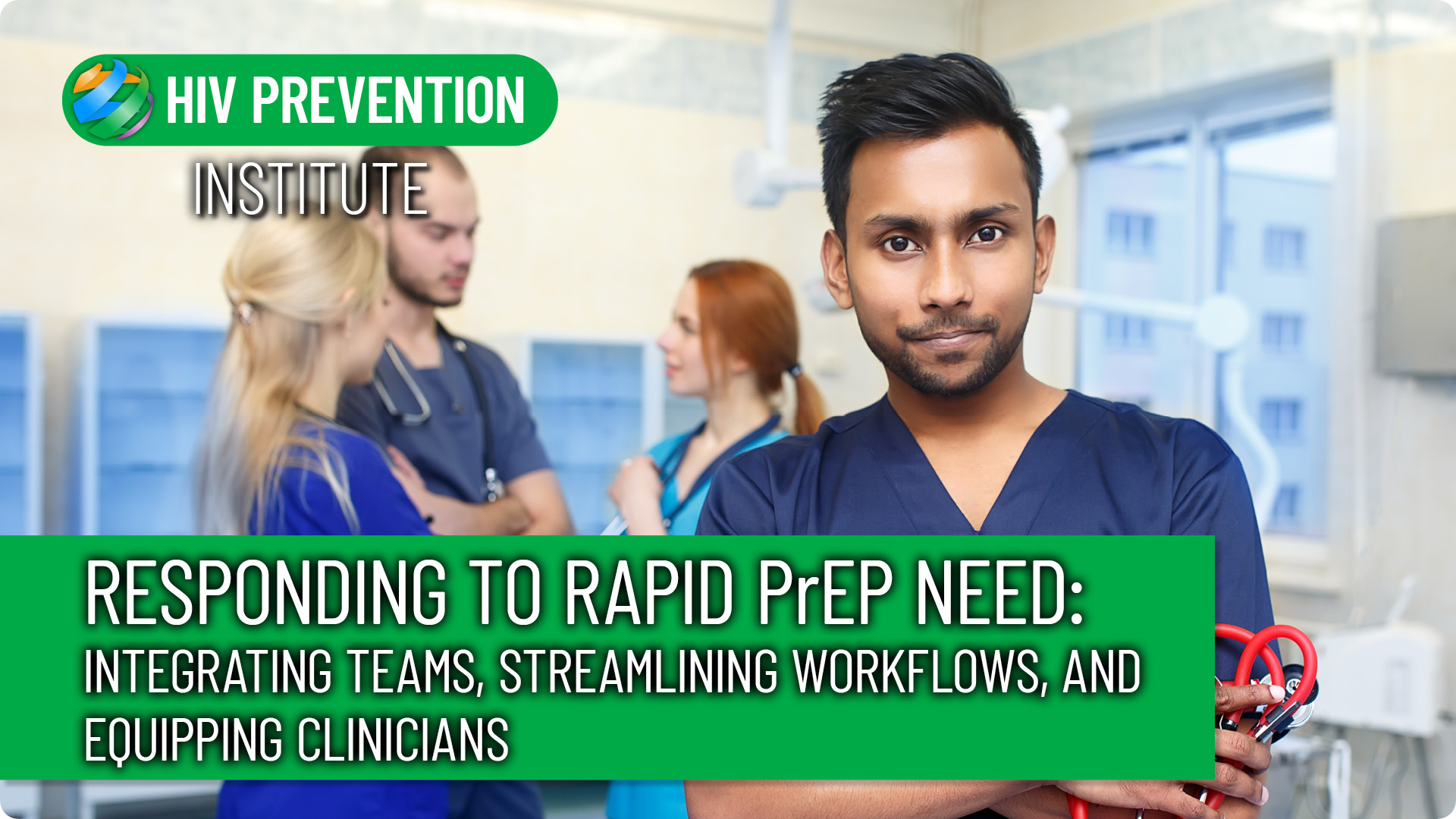
As demand for rapid-start PrEP continues to grow, healthcare teams need practical, scalable models that support timely access while fitting real clinical workflows. This live, in-person institute will focus on the real-world implementation of rapid-start PrEP across clinical and pharmacy settings, with an emphasis on team-based care and operational readiness. Through an interprofessional lens, faculty will explore how clinicians, pharmacists, and care teams can work together to integrate rapid-start PrEP using streamlined workflows, standing orders, lab reflex panels, and clinician-facing tools that support consistent, efficient delivery of care.
In recent years, sexually transmitted infections (STI) rates in the United States have risen dramatically, with more than 2.4 million STIs reported in the United States alone (CDC, 2024). STIs can have a profound impact on health, including infertility, neurological and cardiovascular disease, stillbirths, and increased risk of Human Immunodeficiency Virus (HIV). This growing epidemic demands urgent action to enhance the prevention, diagnosis, and treatment of STIs.
Limited evidence suggests that doxycycline may be comparable to penicillin for the treatment of syphilis, but perhaps less so for latent stages. A total of 655 individuals were included, 539 who were treated with benzathine PCN G (BPG) and 116 treated with doxycycline. For our primary analysis, we included all RPR titers up to 24 months after treatment for all stages of syphilis treated from April 2022 through September 2023.
Hepatitis C (HCV) is a curable disease, yet many patients remain untreated due to lack of awareness, outdated perceptions, and barriers to care. This project aimed to identify and link untreated HCV RNA-positive individuals to care within a large, not-for-profit health system in Virginia.
This presentation will outline the current understanding of BV as a dysbiosis, the role of sexual transmission in pathogenesis, and the recent findings of the Australian StepUp* Trial. Practical suggestions will be offered regarding designing and implementing a policy to provide partner therapy for BV in clinical settings in the United States based on the experience at a walk in public Sexual Health Clinic.
This interactive presentation explores the intersection of sexual pleasure, HIV prevention, and liberation for communities of color. The Science of Sexuality and Pleasure, it reframes PrEP and PEP not just as biomedical tools, but as instruments of sexual agency, protection, and empowerment. Drawing on the imagery of chains, whips, handcuffs, and doxycycline, we assert that protection and pleasure are not mutually exclusive, but deeply intertwined. Through storytelling, case-based dialogue, and visual metaphors, we invite attendees to challenge conventional narratives that separate safety from desire.
This session showcases how nurses are transforming HIV prevention in one of the nation’s highest-incidence regions. This innovative, nurse-led model expands access to pre-exposure prophylaxis (PrEP) through standing orders, telehealth, and mobile outreach, allowing same-day initiation of care.
This presentation offers an in-depth exploration of NKY Health's expansive HIV self-test distribution program, highlighting its multifaceted approach to making test kits readily available throughout the Northern Kentucky community. Our primary goal has been to maximize reach, ensuring these vital resources get into the hands of as many people as possible.
Men who have sex with men (MSM) in the U.S. South face a disproportionate burden of HIV yet remain underserved in traditional prevention and care pathways. Stigma, structural inequities, and limited access to culturally competent services contribute to poor engagement across the HIV care continuum. These barriers are exacerbated by resource-constrained settings such as the rural South.
This session will introduce some of the dating apps people are using - specifically Sniffies - and outlining how agencies can use the software to establish patterns for sexual activity in the immediate area and develop strategies to outreach options in real time, ultimately leading to an increase in PrEP and STI prevention uptake across all demographics.
Imagine a world where every individual, regardless of their past, has access to essential healthcare services and the support they need to thrive. For returning citizens living with HIV, this is not just a dream—it’s a necessity. The Intervention Services Program (ISP), part of the DC Health’s HIV AIDS Hepatitis STD Tuberculosis Administration (HAHSTA), is on a mission to transform this vision into reality.
Black Health’s Outreach Enhancement: Faith Based Organization Program (OEF) collaborates with faith-based organizations across the five boroughs of New York City to provide high impact HIV prevention services in geographical hot spots in communities of color where HIV infections are most heavily concentrated (as defined by the New York City Department of Health and Mental Hygiene (NYCDOHMH).
Us Helping Us, People Into Living, Inc., a Black-led, LGBTQ+-affirming health organization in Washington, DC, developed a harm reduction and capacity-building model rooted in health equity to address the opioid crisis. While naloxone distribution remains vital, we go beyond it by centering legal literacy, reducing stigma, and community empowerment.
Integrating harm reduction conversations into primary care visits can help to provide education, resources, and support for behavioral change for the patient, their family, and their community. Patients are already considering their safety related to substance use and pain control but may not know all the facts or strategies to keep themselves and their loved ones safe. Asking patients without judgment about how they control pain and use substances can open communication between patients and healthcare providers.
Radical Rapport is a dynamic, trauma-informed training/presentation designed to help harm reduction providers and health professionals build deeper trust with Black, Brown, Indigenous and LGBTQ+ communities. Through reflection, skill-building, and cultural humility, Dr. Vivid guides participants toward creating safer spaces rooted in affirmation, not assumption. This training centers identity, orientation, expression, plant medicine, and spiritual healing as vital to holistic harm reduction.
Join this interactive session to learn about the CDC-funded national initiative, the Capacity-Building Assistance Network (CPN). This session will feature presentations from several CPN HIV capacity-building providers who deliver specialized training and customized technical assistance to strengthen HIV prevention programs, organizations, and the workforce delivering these services.
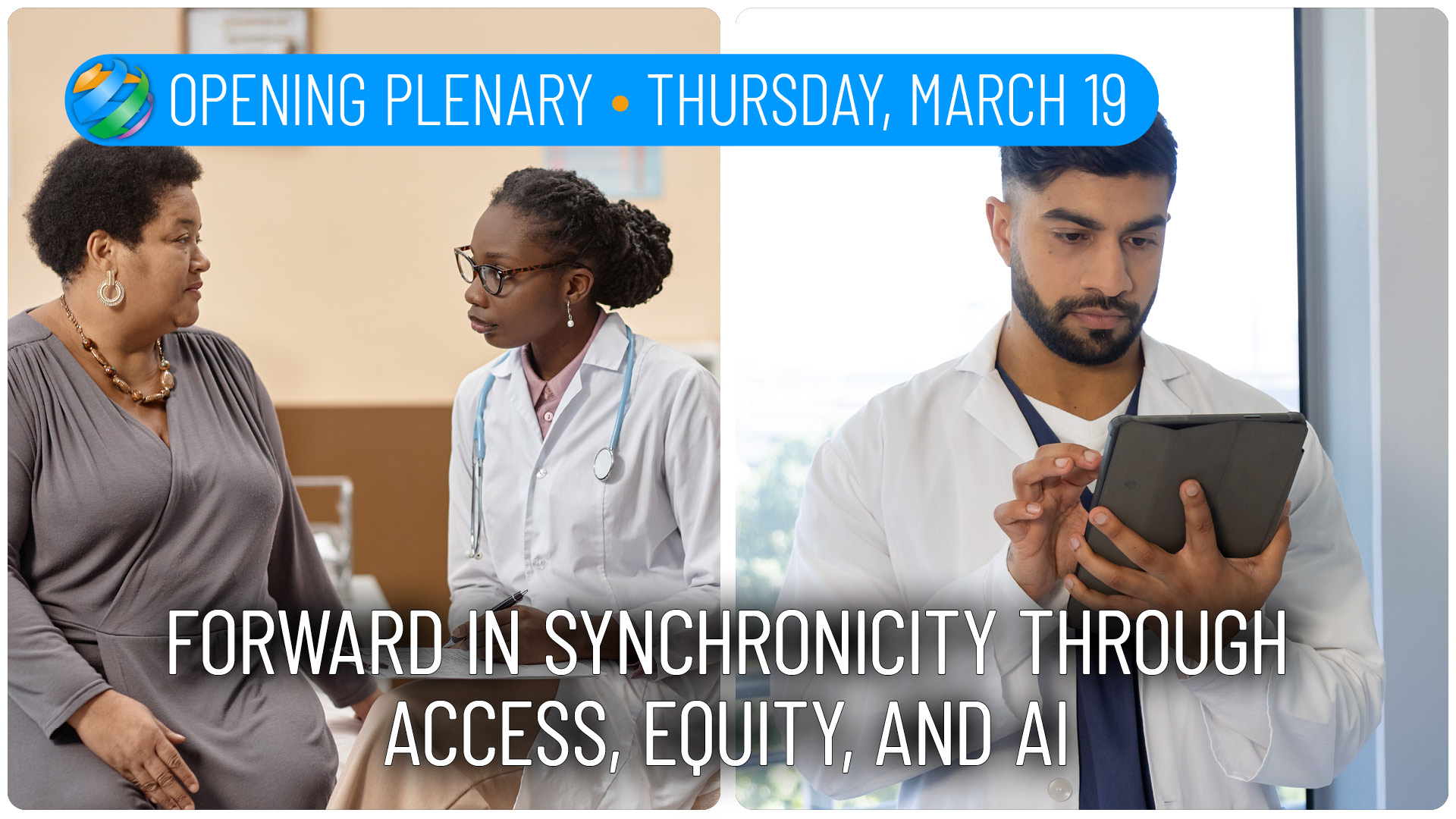
Healthcare is evolving at unprecedented speed—shaped by shifting policy landscapes, rapid technological advancement, and bold new innovations. In this dynamic opening plenary, thought leaders from across the healthcare ecosystem will explore how we move forward in synchronicity to ensure that progress in policy, AI, and innovation translates into meaningful gains in healthcare access and equity. Featuring a special performance by Mandy Mango.
In 2022, the New York State Department of Health AIDS Institute introduced a social determinants of health screening tool in its reporting system to better understand social needs among patients served by its funded agencies and the services provided to address them. In this conversation between a program coordinator and an evaluation specialist at the AIDS Institute, listeners will learn how the assessment tool was implemented and how reported data describes the social determinants of health needs among cis-gender women who received care.
Information on credits offered to SYNC participants for attending institutes, sessions, and plenaries — live or in-person — is available here.
Commercial Support Acknowledgement
This conference is supported, in part, by independent educational grants from ineligible companies. A full list of supporters is available here. All accredited content has been developed and delivered in accordance with the ACCME Standards for Integrity and Independence and the criteria of Joint Accreditation for Interprofessional Continuing Education™, and is free of commercial bias.
Important Notice: We have received reports of companies falsely claiming to sell SYNChronicity Conference attendee lists and related services. These solicitations are scams and are not affiliated with SYNChronicity, HealthHIV, HealthHCV, or the National Coalition for LGBTQ Health. Do not engage with these organizations. For questions about conference communications or vendors, contact us directly.