This session explores the emerging evidence supporting yoga and other healing modalities as a complementary harm reduction tool, particularly in underserved or high-risk populations. Drawing on interdisciplinary research, community-based programs, and trauma-informed frameworks, it underscores alternative healing modalities potential to serve not as a replacement for clinical treatment but as an accessible, empowering adjunct that supports individual agency, healing, and long-term well-being.
Holy Cross Health in Fort Lauderdale, Florida, is advancing health equity through a comprehensive, community-based approach to HIV prevention and care, STI and Hepatitis C screening, and LGBTQ+ health. Broward County remains one of the nation’s HIV epicenters, with 579 new diagnoses in 2022, far exceeding the national average. Despite this, 96.2 percent of people living with HIV in the county know their status, and 80.8 percent are linked to care within one month. Holy Cross Health’s initiatives, such as community outreach, HIV self-testing, and culturally competent education, are designed to meet the needs of LGBTQ+ individuals who are disproportionately affected by these conditions. The program is led by community advocates and LGBTQ+ healthcare professionals who step beyond traditional clinical roles to engage directly with the community. This session will explore the program’s design, implementation, and measurable impact, offering a replicable model for other health systems.
This SYNC session will lead attendees through the OUTSafe curriculum and resources, offering providers in the field an essential tool to address older adult victimization and a guide for creating safe spaces and safer institutions for older LGBTQ+ adults.
This presentation explores strategies for effective LGBTQIA+ health promotion and community engagement amid a shifting sociopolitical landscape. Drawing on recent case studies, grassroots initiatives, and community-led research, we examine the ways in which LGBTQIA+ individuals and organizations are responding to policy rollbacks and social hostility. We highlight inclusive health interventions, mutual aid networks, and coalition-building as mechanisms for advocacy and care.
In 2022 Victory Programs opened its doors to The Victory Connector, a new drop in space in the Mass and Cass neighborhood. A neighborhood that was already home to methadone clinics, Boston Medical Center (the city hospital), Harm Reduction Providers and two homeless shelters. What could Victory Programs do that was different and meeting an unmet need?
This session explores how affirmation-based intervention models — grounded in cultural pride, self-preservation, and community affirmation — are essential to ending the HIV endemic. Using a community engagement and harm reduction framework, we discuss the historical roots of disconnection, and how strategic investments in culturally affirming outreach and education are critical. We offer models and approaches that center community affirmation, mental health support, and intergenerational healing as HIV prevention tools.
This presentation explores the evolution of HIV prevention through the perspective of a Black woman, Community Health Advocate, and clinical research participant deeply engaged in advancing PrEP (pre-exposure prophylaxis) innovation. While biomedical advancements from daily oral PrEP to long acting injectables have expanded prevention options, Black communities remain underrepresented in research and disproportionately impacted by persistent barriers to access. Through a lived-experience narrative, this session examines how medical mistrust, historical trauma, and unequal power dynamics shape community attitudes toward clinical research and preventive care.
Closing the loop on Social Determinants of Health ensures that referrals to supportive services such as housing, food and mental health are not only initiated but also completed, tracked, and resolved, This approach strengthens care coordination, reduces barriers to retention, and promotes health equity by addressing non-medical factors that impact overall well being.
As a nation, we had made great strides in protecting the basic rights of LGBTQ+ persons including their access to appropriate, quality care. For Kentucky LGBTQ+ persons, the passage of Kentucky SB 150 in 2023, progressively began the stripping away of these rights thus putting their well-being and even their lives at risk.
StayWell Health Center serves as a leading responder to the overlapping syndemics of HIV, hepatitis C, STIs, and social determinants of health in the Waterbury, Connecticut metro area. Through a status-neutral approach, StayWell ensures that all individuals—regardless of HIV status—are connected to comprehensive prevention or treatment services without stigma or delay.
Older adults living with HIV—especially Black gay men aged 50 and over—face compounding challenges including stigma, fragmented care, and under-resourced behavioral health services. This session highlights strategies from the Aging and HIV Institute (A&H), a California-based think tank dedicated to bridging HIV and aging service systems.
In today’s climate of burnout, fear, and fragmentation, leadership requires more than strategy—it calls for presence, relational courage, and embodiment. Leading from the Body introduces a trauma-informed leadership model rooted in somatic awareness and relational intelligence. This approach recognizes that trauma is not only cognitive—it is emotional, non-verbal, and stored in the nervous system. As such, healing and leadership must begin in the body. This interactive session explores how lived experience and embodied presence shape culture, relationships, and organizational change.
Congenital syphilis is a completely preventable condition that imposes a significant clinical and financial burden on our current strained healthcare system. In response to rising infection rates in Miami-Dade County, Homestead Hospital (HH) implemented an innovative, Electronic Health Record-integrated Syphilis Screening Algorithm in 2019, embedded within its existing routine HIV and Hepatitis C testing infrastructure.
Black Health’s Health Equity Summit Event is a student-led event held at Lehman College in collaboration with the City University of New York (CUNY) institutions (Lehman and Hostos Community Colleges). The summit centers around Black Health’s three pillars – education, policy and advocacy – addressing topics ranging from HIV/AIDS, mental health, diabetes, and other health disparities that disproportionately affect Black and Brown Communities.
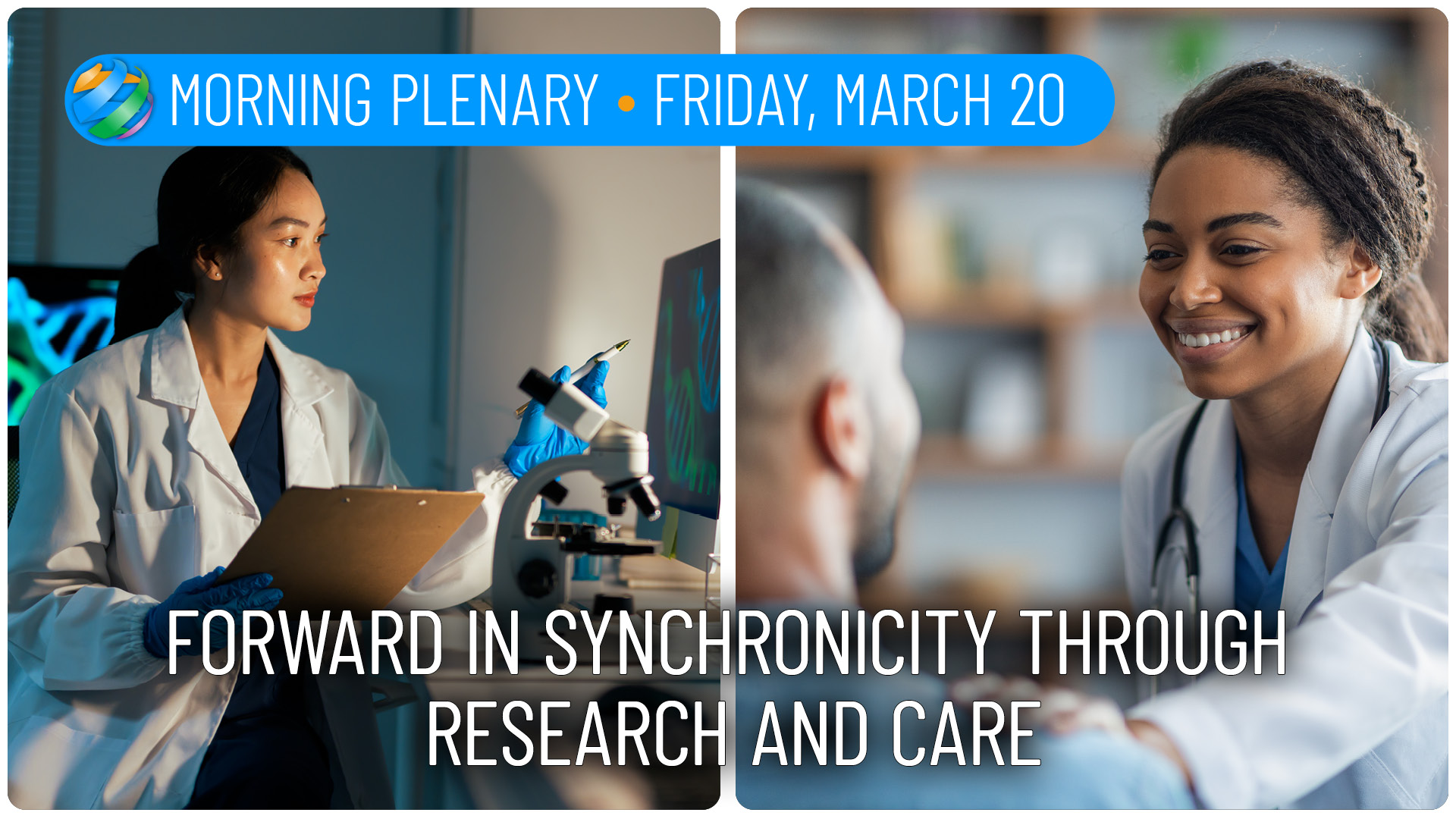
This morning plenary session on Friday, March 20, 2026 at 9:00am Eastern will bring together nationally recognized leaders who exemplify true synchronicity across scientific discovery, clinical practice, policy, and real-world implementation. This session will highlight how aligning drug user health, long COVID, and vaccine research, care delivery, advocacy, and public health strategy accelerates meaningful impact, advances innovation, and improves outcomes — particularly for communities most affected by chronic diseases.
This podcast episode seeks to share the experience and insights of a peer navigator working in Kitsap County, Washington, to link patients to necessary treatment while facing the interpersonal, psychosocial, and logistical barriers to care that impact these populations.
While a myriad of health education and prevention programs exist in the community and on HBCU college campuses, most women are unaware of these resources and, most importantly, the availability and effectiveness of pre-exposure prophylaxis (PrEP), despite being at greater risk of HIV. Black Women and HIV: Empowerment through Engagement, Education, and Enrichment (“Empower”) is an HBCU led, collaborative, multi-year initiative committed to advancing HIV prevention and sexual health among Black women by implementing culturally responsive education and community engagement.
Holy Cross Health in Broward County, Florida, has developed a comprehensive, community-embedded care model that integrates HIV treatment with aging services, behavioral health, and chronic disease management. This peer- and community health worker–led, equity-focused approach is designed to address disparities among LGBTQ+ individuals, people of color, and those experiencing economic hardship. The model emphasizes cultural humility, trauma-informed care, and whole-person wellness. This session will explore how this integrated framework improves outcomes and offers a scalable solution for reimagining HIV care for aging LGBTQ+ populations.
Emergency departments (EDs) serve as a critical access point for medically underserved populations, including individuals with substance use disorders (SUD), co-occurring psychiatric disorders (COD), and those at elevated risk for HIV. This presentation aims to describe a publicly funded HIV prevention and health services program co-located in two affiliated urban Midwestern EDs, to describe any differences among patients who did and did not receive HIV testing, and to discuss strategies for leveraging Health Promotion Advocates (HPAs) in ED settings.
Many healthcare organizations are exploring the use of artificial intelligence to improve care and streamline operations but often face uncertainty about how to begin. This session provides a clear and practical entry point for HIV service systems that want to integrate AI responsibly, particularly those working with limited resources.
In 2021, 78.2% of the 294 new HIV cases in Hillsborough County occurred among males, with male-to-male sexual contact as the leading transmission mode. Despite Pre-Exposure Prophylaxis (PrEP) reducing HIV risk by 99%, accessibility remains a barrier. The Florida Department of Health (FDOH) Health Disparities Coalition PrEP Task Force applied a virtual adaptation of the Community-Based Prevention Marketing (CBPM) framework to develop an intervention addressing PrEP uptake.
Test Up! PrEP Up! Level Up! Now You’re In the Game! The Maryland Activation—is a high-impact, community-driven initiative led by Heart to Hand, Inc. in partnership with Walgreens and regional health organizations across Prince George’s, Montgomery, and Charles Counties. Held June 27–28, 2025, in recognition of National HIV Testing Day, the activation expands access to free, confidential HIV testing, PrEP education, and immediate linkage to care through trusted community and pharmacy settings.
The decline in drug-related fatalities in New Jersey over the past three years reflects progress in harm reduction, yet racial disparities remain stark. Black and Hispanic communities continue to face disproportionate rates of drug-related deaths—51.4 and 38.9 per 100,000, respectively—compared to white residents. The Black Lives Matter Paterson Harm Reduction Center and Mobile Unit provides resources, care, and support to neglected populations through culturally responsive, Black-centered mobile outreach.
Information on credits offered to SYNC participants for attending institutes, sessions, and plenaries — live or in-person — is available here.
Commercial Support Acknowledgement
This conference is supported, in part, by independent educational grants from ineligible companies. A full list of supporters is available here. All accredited content has been developed and delivered in accordance with the ACCME Standards for Integrity and Independence and the criteria of Joint Accreditation for Interprofessional Continuing Education™, and is free of commercial bias.
Important Notice: We have received reports of companies falsely claiming to sell SYNChronicity Conference attendee lists and related services. These solicitations are scams and are not affiliated with SYNChronicity, HealthHIV, HealthHCV, or the National Coalition for LGBTQ Health. Do not engage with these organizations. For questions about conference communications or vendors, contact us directly.